Wildlife Removal
Safe, humane wildlife removal that protects your property and family
Licensed & Certified
State-licensed technicians with EPA applicator credentials
IPM Approach
Integrated pest management for long-term results
Same-Day Service
Available 24 hours across Washington State
Eco-Friendly Options
Safe for children, pets, and pollinators
5 Highlights on Wildlife Removal
Humane trapping and relocation
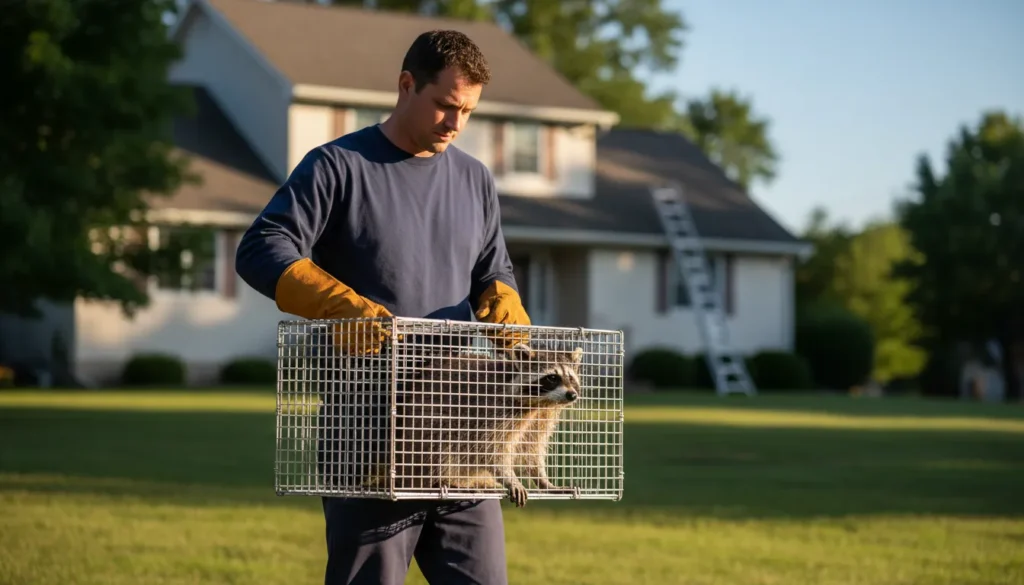
Wildlife removal starts with live traps and exclusion barriers that capture raccoons, squirrels, and opossums without harm. Our technicians relocate animals to approved habitats far from your property.
Attic and crawl space inspections
Our wildlife removal specialists inspect attics, basements, and crawl spaces for nests, dens, and droppings. We map every entry point before sealing gaps with mesh and sealant.
Bat and bird exclusion
Wildlife removal covers bats roosting in attics and pigeons nesting on rooflines. We install one-way exclusion devices following Bat Conservation International (BCI) guidelines for humane bat eviction and permanent re-entry prevention.
Snake and rodent capture
Snakes, rats, and mice fall under our wildlife removal scope. Trappers use snare poles, snap traps, and glue boards based on the species and infestation level.
Decontamination and sanitization
After capture, our team disinfects contamination zones, removes carcasses, and sanitizes feces and urine deposits to prevent disease spread and lingering odors.
Our Wildlife Removal Services:
Why Choose Our Wildlife Removal
Wildlife removal at A & R Pest Solutions combines licensed trappers, certified technicians, and proven exclusion methods. We hold Washington State Department of Agriculture (WSDA) wildlife handling permits, maintain National Wildlife Control Operators Association (NWCOA) certification, and have served homeowners and commercial properties across Washington State since 2016 – including Vancouver, Camas, Battle Ground, and communities throughout Clark and Cowlitz County.
Our crew trains in Integrated Pest Management (IPM), so we treat each property as a unique habitat. We don’t apply blanket solutions. We inspect first, identify the species, then build a removal plan around the animal’s behavior, breeding cycle, and entry routes.
Every wildlife removal job includes:
- A written inspection report with photos of entry points, nests, and damage
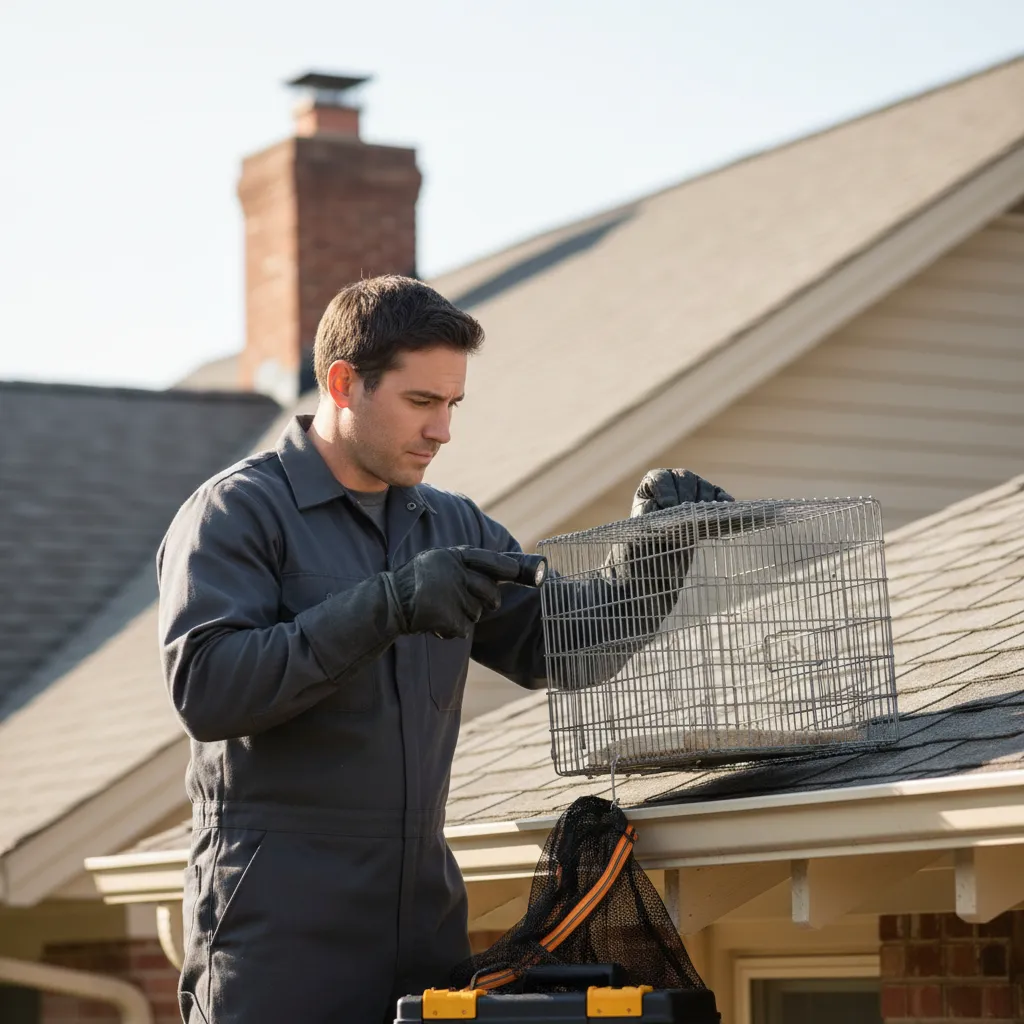
- Humane live traps checked daily to reduce stress on captured animals
- Exclusion barriers built from galvanized mesh, heavy sealant, and chew-proof materials
- A 12-month warranty on sealed entry points
- Cleanup of droppings, urine, and nesting material with hospital-grade disinfectants
We also handle the parts most homeowners dread. Dead animal removal, attic insulation replacement, and damaged vent repair all fall within our scope. Our wildlife removal specialists carry respirators, gloves, and protective gear on every call.
Pricing stays transparent. You get a flat quote before work begins, with no surprise add-ons. Our office answers calls seven days a week, and emergency wildlife removal responds within hours – c
Bugs Don't Wait. Neither Should You.
Our licensed technicians are standing by to protect your home or business.
Signs You Need Wildlife Removal
Wildlife removal becomes necessary when animals cross from your yard into your living space. Here are five clear signs:
Scratching or thumping in the attic at night
Raccoons, squirrels, and rats are nocturnal and burrow into insulation to nest. If you hear movement above the ceiling after dark, an animal has likely built a den. Females often breed in attics during spring, so delays mean larger infestations.
Droppings along walls, in cabinets, or near food sources
Rodent feces look like dark grains of rice. Raccoon droppings appear larger and tubular. Bat guano collects in piles below roosting spots. Any droppings inside the home signal an active invasion and a contamination zone that needs professional cleanup.
Chewed wires, gnawed wood, or torn insulation
Rats and squirrels chew constantly to file their teeth. Exposed wiring creates fire risk. Damaged soffits, fascia boards, and vent screens are clear entry points where animals enter and exit daily.
Strong ammonia or musky odors
Skunk spray, accumulated urine, and decomposing carcasses produce sharp smells that drift through HVAC systems. A persistent odor in one part of the house usually means an animal has died inside a wall or crawl space.
Visible animals on the property at odd hours
Daytime sightings of raccoons, foxes, or bats often point to rabies or distemper. Aggressive behavior, stumbling, or unusual tameness all warrant immediate wildlife removal by a licensed specialist.
Washington WSDA
Certified Credentials
Fully Insured
Written & Backed
Our Wildlife Removal Process
Wildlife removal follows a five-step process built around safety and long-term results.
Inspection
A technician walks your property, inside and out. We check attics, basements, crawl spaces, soffits, vents, and the roofline. Every nest, burrow, droppings pile, and entry point gets photographed and logged.
Species identification and plan
We confirm the animal type, count likely numbers, and check for young in the nest. You receive a written plan covering trap placement, exclusion work, and cleanup timing.
Capture and removal
Our trappers set live traps, snare poles, or one-way exclusion devices based on the species. Traps get checked daily. Captured wildlife gets relocated to approved release sites under state permit guidelines.
Exclusion and sealing
Once the property is clear, we seal every entry point with galvanized mesh, chew-proof sealant, vent screens, and chimney caps. This step prevents the next colony from moving in.
Sanitation and follow-up
We dispose of carcasses, remove contaminated insulation, and disinfect droppings and urine with EPA-registered cleaners. A follow-up visit confirms no return activity, and your 12-month exclusion warranty starts the day we close the job.
Brands We Use
Wildlife removal results depend on the quality of traps, sealants, and disinfectants our team carries. We stock and apply trusted brands:

Every product we apply meets EPA standards. Our technicians wear respirators, nitrile gloves, and protective coveralls when handling traps, droppings, or carcasses.
Other Services
Wildlife removal
Animal removal service
Raccoon trapping
Wildlife control
Nuisance wildlife removal
Bat exclusion
Wildlife removal service
Critter removal
Squirrel in attic
Humane wildlife removal
Wild animal removal
Dead animal cleanup
Professional wildlife removal
Wildlife trapping
Rodent exclusion
FAQs About Wildlife Removal
What is wildlife removal?
Wildlife removal is the licensed capture, relocation, and exclusion of wild animals from homes and businesses. The service covers raccoons, squirrels, bats, snakes, opossums, skunks, birds, and rodents that nest or burrow on your property.
When should I call for wildlife removal?
Call as soon as you hear scratching, find droppings, smell ammonia odors, or spot animals entering your roofline or vents. In Washington State, raccoons breed and move into attics from March through April; bats must be excluded before June or after August due to maternity season restrictions; and squirrels are most active entering structures in October and November. Early intervention prevents breeding, structural damage, and contamination spread.
Why is professional wildlife removal better than DIY?
Wild animals bite, scratch, and carry rabies, leptospirosis, and parasites – pathogens the CDC identifies as serious public health risks requiring professional handling. DIY traps often catch the wrong animal or leave young trapped behind walls. Licensed trappers follow state laws on capture and relocation, and they seal entry points so the problem doesn’t return.
How does wildlife removal work?
A specialist inspects your property, identifies the species, sets humane traps or one-way exclusion devices, relocates captured animals, seals entry points with mesh and sealant, and disinfects contaminated areas.
Can wildlife removal be humane?
Yes. We use live traps, one-way doors, and exclusion barriers that evict animals without harm. Captured wildlife gets released to approved habitats under state permit.
Does wildlife removal include cleanup?
Yes. Our service covers carcass disposal, droppings removal, urine sanitization, and replacement of contaminated insulation. We disinfect every affected zone with EPA-registered products before closing the job.
Protect Your Property Today
Get a free, no-obligation inspection and quote from Washington’s trusted pest control experts.